
What is FLUIDSAP 100®?
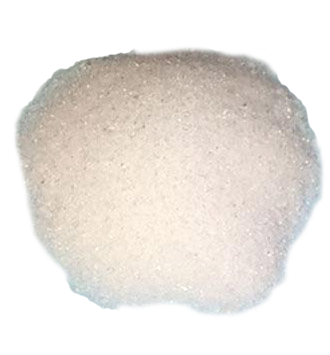
FLUIDSAP 100® is a granular Super Absorbent Polymer — greater than 95% crosslinked sodium polyacrylate — that absorbs and solidifies aqueous waste waters and sludges.
Aqueous wastes solidified using FLUIDSAP 100® will resist biodegradation and retain liquid under pressure, stabilizing the waste both chemically and physically. The polymer is insoluble in water — only capable of swelling.
Volume increase of wastes treated using Fluid Tech products is typically less than 20% — minimizing volume and weight increases results in container, transportation, and disposal savings as well as reduced generator liability.
What waste types does FLUIDSAP 100® treat?
FLUIDSAP 100® is recommended for water with less than 0.01M salts or organics, neutralized weak acids, water-miscible organics, and slurries such as ion-exchange resins and filter pre-coat.
- Water, with less than 0.01M salts or organics
- Neutralized weak acids
- Water-miscible organics
- Slurries — ion-exchange resins; filter pre-coat
Its versatility across aqueous waste waters and sludges makes it ideal for spills, or for solidifying waste for transportation and disposal. Contact Fluid Tech for a loading recommendation specific to your waste stream.
What formats is FLUIDSAP 100® available in?
FLUIDSAP 100® is supplied as white granules, and is also available as FLUIDSAP 100 Rolls™ — a super absorbent nonwoven polyester fabric used to capture free liquids and condensate.
In the rolls format, the absorbent granules are internally bonded into the fabric (54.88% superabsorbent polymer, 39.02% polyester nonwoven fabric, 6.10% adhesive). The rolls meet the definition of an article under 29 CFR 1910.1200(c) — under normal conditions of use they will not release more than very minute or trace amounts of a hazardous chemical and do not pose a physical hazard or health risk to employees. Each format has its own Safety Data Sheet: FTL-080-0100 for the granules and FTL-080-0101 for the rolls.
Technical specifications
| Product type | Super absorbent polymer — sodium polyacrylate, crosslinked (>95%) |
|---|---|
| Form | Granules |
| Color | White |
| Odor | Odorless |
| pH | 4.9 – 6.5 |
| Melting point | > 190 °C |
| Decomposition temperature | > 200 °C |
| Specific gravity | 0.4 – 0.7 |
| Solubility in water | Insoluble — only capable of swelling |
| Flammability | Non-flammable |
| Transport classification | Not regulated as hazardous (DOT, IATA, IMDG) |
Physical and chemical properties per Safety Data Sheet FTL-080-0100, Revision 2 (granular product).
Is FLUIDSAP 100® safe to handle?
The Safety Data Sheet describes FLUIDSAP 100® as a low hazard for usual industrial or commercial handling and use by trained personnel — with no hazard pictograms and no OSHA-defined hazards. The SDS still sets a recommended 8-hour exposure limit of 0.05 mg/m³ for respirable dust due to the potential for respiratory tract irritation, warns against whirling up the material because of the danger of dust explosion, and reports a two-year rat inhalation study in which respirable SAP dust produced lung inflammation followed by tumor development in some rats at the highest chronic exposure level (0.8 mg/m³).
It may cause eye, skin, and respiratory irritation, and dust should be treated as a nuisance dust per ACGIH guidance. The material is extremely slippery when wet, and should be stored in dry, sealed containers to avoid moisture uptake. Per SDS ecological testing, it is not expected to be harmful to aquatic or terrestrial organisms, and it is not regulated as hazardous for land, air, or sea transport.
Frequently asked questions
What is FLUIDSAP 100® made of?
Greater than 95% crosslinked sodium polyacrylate — a Super Absorbent Polymer (SAP) — supplied as white, odorless granules, per Safety Data Sheet FTL-080-0100.
Will waste solidified with FLUIDSAP 100® release liquid later?
Aqueous wastes solidified using FLUIDSAP 100® resist biodegradation and retain liquid under pressure, stabilizing the waste both chemically and physically. Wastes solidified with Fluid Tech products also maintain their physical integrity through freeze-thaw conditions and vibrational stresses encountered during transportation, ensuring no incidental or free-standing liquids develop prior to inspection at the final disposition or storage facility.
What is the difference between FLUIDSAP 100® granules and FLUIDSAP 100 Rolls™?
FLUIDSAP 100® is a granular absorbent added directly to aqueous waste waters and sludges. FLUIDSAP 100 Rolls™ are a super absorbent nonwoven polyester fabric with the absorbent granules internally bonded, used to capture free liquids and condensate. The rolls meet the definition of an article under 29 CFR 1910.1200(c), and each format has its own Safety Data Sheet.
Is FLUIDSAP 100® hazardous?
The Safety Data Sheet describes it as a low hazard for usual industrial or commercial handling and use by trained personnel, with no hazard pictograms and no OSHA-defined hazards. The SDS still sets a recommended 8-hour exposure limit of 0.05 mg/m³ for respirable dust due to the potential for respiratory tract irritation, warns against whirling up the material because of the danger of dust explosion, and reports a two-year rat inhalation study in which respirable SAP dust produced lung inflammation followed by tumor development in some rats at the highest chronic exposure level (0.8 mg/m³). It may cause eye, skin, and respiratory irritation, is extremely slippery when wet, and should be kept in dry, sealed containers to avoid moisture uptake. It is not regulated as hazardous for transport (DOT, IATA, IMDG). Review the full Safety Data Sheet (FTL-080-0100) before use.
Not sure which absorbent fits your waste stream?
Tell us about your waste and our team will help scope the right product and loading rate.
Content reviewed August 2026 · SDS FTL-080-0100 Rev 2 (2022) · SDS FTL-080-0101 Rev 0 (2022, Rolls) · fluidtechllc.com Absorbents page.